Alterna2 (alterna2.com), CC BY 2.0, via Wikimedia Commons
You click a link that promises a movie trailer, a leaked document or the answer to a quiz question. The page loads, a drum machine kicks in, and a young man in a trench coat starts dancing in front of a brick wall. You have been rickrolled, and somewhere someone is very pleased with themselves.
The prank is close to twenty years old now, which makes it ancient by internet standards. Most memes from 2007 are museum pieces. This one still gets people, and I'd bet it gets somebody today.
The odd thing is that the song at the center of it was never a joke. It was one of the biggest pop records of the 1980s.
A genuine number one, twice over
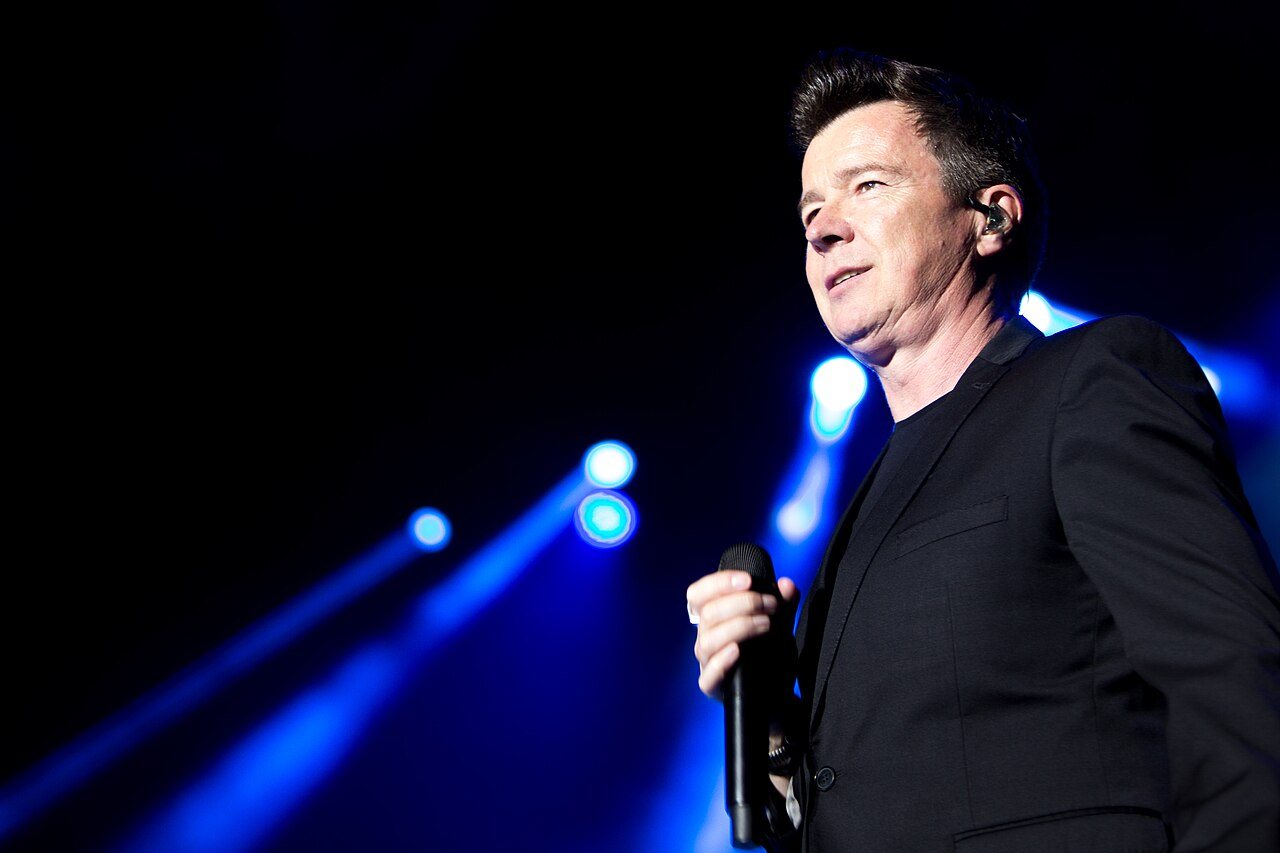
"Never Gonna Give You Up" came out in the summer of 1987. Rick Astley, from Newton-le-Willows in Lancashire, was 21. The song was written and produced by Stock Aitken Waterman, the British hit factory behind Kylie Minogue and Bananarama, and Astley had spent time working at their studio before he got his own record.
It went to number one in the UK and stayed there for five weeks. It ended up as the country's best-selling single of 1987. In March 1988 it topped the Billboard Hot 100 in the US as well. What surprised people at the time was the voice: a deep, full baritone that didn't seem to match the boyish face in the video.
Astley had more hits, then stepped away from the music business in the early 1990s, still in his twenties, mostly to spend time with his family. For about fifteen years he was a pleasant memory for people who owned the album on cassette.
The duck that came first
Rickrolling grew out of an older prank on 4chan, the anonymous image board where a lot of early meme culture was born. Users there had a habit called duckrolling. You would post a link or a thread title promising something interesting, and the reader would get a picture of a duck on wheels instead. It was exactly as dumb as it sounds.
In 2007 someone swapped the duck for the "Never Gonna Give You Up" music video, and the new version spread far faster. Part of that was timing. YouTube was only a couple of years old, and a link to a video was the perfect disguise, since every link looked roughly the same until you clicked. Part of it was the song. The duck was a picture. The rickroll was three and a half minutes of a very catchy tune you couldn't unhear, plus that dance.
Who made the first swap isn't documented, and I'm a little suspicious of anyone who claims to know.
When YouTube rickrolled everyone
By 2008 the prank had gone from forum joke to mainstream. On April Fools' Day that year, YouTube linked every featured video on its homepage to the "Never Gonna Give You Up" video. Millions of people clicked on whatever looked interesting and got Rick.
That November, Astley himself got in on it. He turned up on a float at the Macy's Thanksgiving Day Parade in New York and lip-synced the song in the middle of a broadcast that had promised something else, which is about as perfect a live rickroll as you could design. The same month, an online vote gave him the "Best Act Ever" award at the MTV Europe Music Awards. Plenty of people assumed it was a gag, and it mostly was, but he won it.
Astley has said in interviews over the years that he found the whole thing funny and a bit baffling. By most accounts he earned very little from the early views, since a lot of the traffic went to uploads he didn't control, and he has never seemed especially bothered.
Why it never wore out
Most memes have a short shelf life. They get overused, brands start using them, and everyone moves on. The rickroll has survived all of that. My theory is that it works more like a trap than a joke, and a trap can be set anywhere: people have hidden it behind QR codes and fake news links for years. Nobody ever had to update the format, because the song stayed exactly the same.
It also helps that the target doesn't come away feeling bad. Getting rickrolled is mildly embarrassing in the way losing at a board game is mildly embarrassing. You laugh, you send the link to someone else, and the chain keeps going.
A comeback the meme helped build
In July 2021, the official music video passed one billion views on YouTube. It's a fair guess that a large share of those came from people who didn't mean to watch it.
The attention did Astley's career no harm. He went back to touring in the late 2000s, and in 2016 his album "50" went to number one in the UK, nearly three decades after his first one. These days he plays festivals to crowds who know every word, partly because the internet spent years making sure of that.
If you want to rickroll someone today, you don't need any special skill. Pick a link people will want to click and hide the video behind it. If you're on the other end and a "shocking leaked trailer" arrives from a friend who never sends trailers, maybe check where it goes first. I never do, and I've been caught more times than I'd like to admit.
Enjoyed this story?Get a new one every day on social.