Photo: francois from Strasbourg, France, CC BY 2.0, via Wikimedia Commons
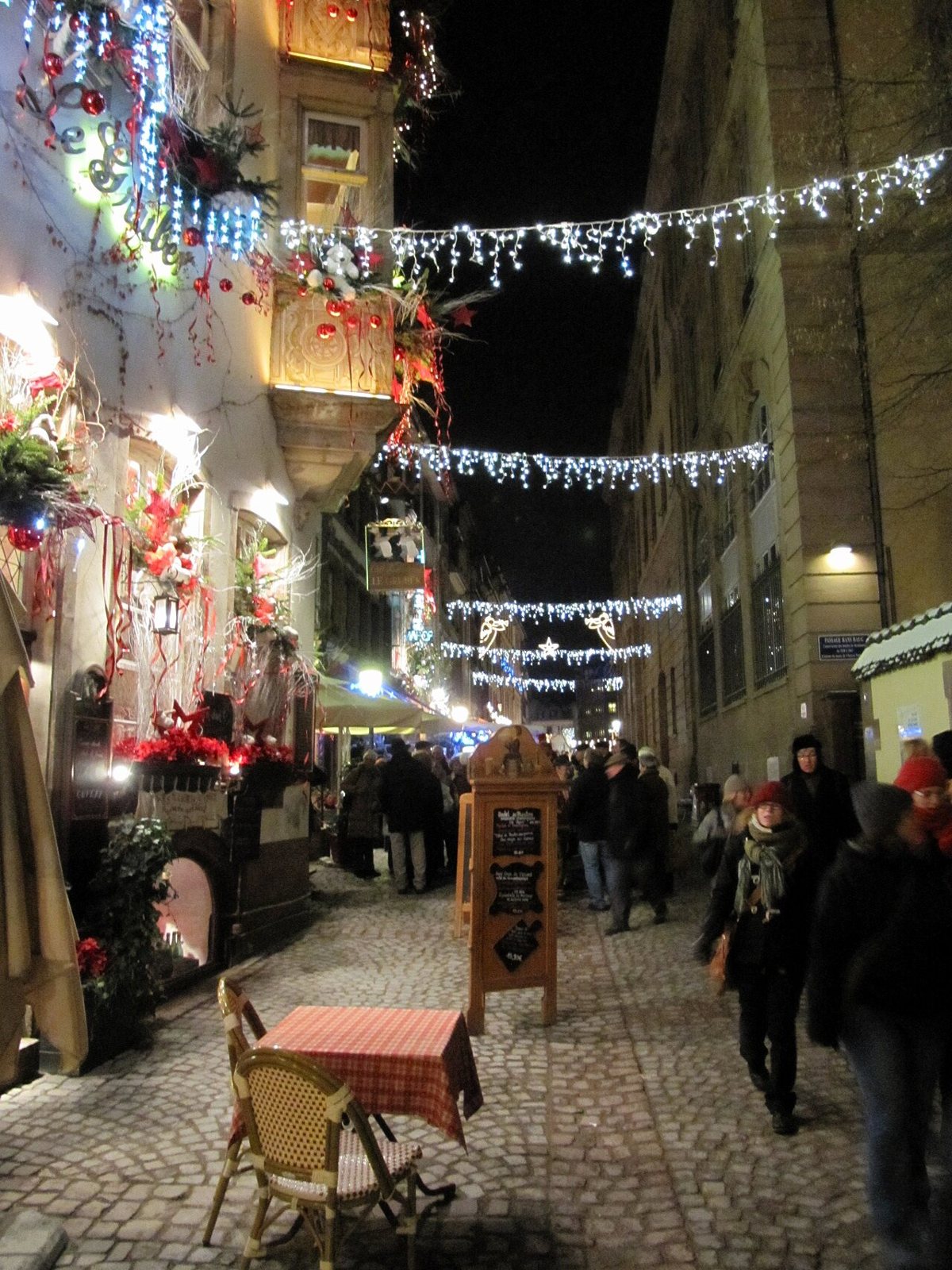
Every December, Strasbourg turns into the most photographed city in France for about four weeks. Strings of lights run across the narrow streets, the half-timbered houses get dressed up like cakes, and a very tall fir tree goes up in Place Kléber. The city calls itself the "Capitale de Noël", and for once the tourism slogan is not much of an exaggeration.
The reason it can make that claim is age. Strasbourg's Christmas market, the Christkindelsmärik, traces its history back to 1570, which puts it among the oldest in Europe. Dresden and Nuremberg have their own long-running markets and their own claims, and fans of each will argue the point. Strasbourg is the one most people can reach in a couple of hours from Paris, which is a big part of why it gets so busy.
If you are thinking about going this year, the window is short and the crowds are real, so a little planning goes a long way.
When the market runs and when to go
The market traditionally opens in the last week of November and runs until Christmas Eve, so if you are reading this now, it is either open or about to be. Dates and hours change slightly from year to year, so check the city's official Christmas pages before you lock anything in.
Weekends in December are packed, and the Saturday before Christmas is a test of patience. Weekday mornings and early afternoons are far calmer. The lights look best after dark, which comes early this far north in December, so a good plan is to wander the streets in daylight, take a break somewhere warm, and come back out at dusk when everything switches on.
Getting there without a car
Strasbourg is easy by rail. High-speed TGV trains from Paris Gare de l'Est take roughly an hour and 50 minutes, and the station is a short walk or tram ride from the old town. There are also direct trains from other French cities and from Germany, since the border is right there on the Rhine.
Driving into the centre during the market is a bad idea. The historic core, the Grande Île, is an island ringed by the River Ill, and during the market period access is tightly controlled, with security checkpoints on the bridges and traffic restrictions inside. Park and ride car parks on the edge of the city link to the tram network, which is the sane option if you do arrive by car.
Where to stay (and the German trick)
Hotels in central Strasbourg fill up early for December weekends and prices climb accordingly. If you have left it late, there are two practical workarounds.
The first is to stay in Kehl, the German town on the other bank of the Rhine. Tram line D crosses the river and connects Kehl to central Strasbourg, so you can sleep in Germany and be at the market in well under half an hour. The second is to base yourself in another Alsatian town such as Colmar, which has its own well-loved Christmas markets, and do Strasbourg as a day trip by regional train. (Colmar is also very busy in December, so book early there too.)
The squares worth your time
The market is not one place. It is spread over a dozen or so squares and streets across the Grande Île, and the city counts around 300 chalets in total. Place Broglie is the historic home of the Christkindelsmärik and the place to start. Place de la Cathédrale puts the stalls right under the cathedral's huge sandstone front, which is the picture most people come for.
Place Kléber has the Great Christmas Tree, traditionally around 30 metres tall and decorated in a different theme each year. After that, walk west to Petite France, the old tanners' and millers' quarter, where the canals and timbered houses make the best evening photos in town. I would argue the side streets between these squares are where the city is most charming, partly because there is room to stand still.
What to eat and drink
Alsatian Christmas food is its own thing, part French and part German, and it is the best reason to go. Look for bredele, the small spiced and buttery biscuits that families bake by the tin in December. You will see mannele too, little brioche men traditionally eaten around Saint Nicholas Day on December 6.
For drinks, mulled wine is everywhere, and in Alsace you will often find it made with white wine as well as red. Try both and decide for yourself; I lean white. Most stalls serve hot drinks in a reusable cup that you pay a small deposit on, which you can either return or keep as a souvenir. Plenty of visitors keep it, which tells you something about how good the cup designs are.
A few practical tips before you book
Bring warm layers and shoes you can stand in for hours on cobbles, because Alsace in December is cold and often damp. Carry a little cash for small stalls, even though many take cards now. Bags may be checked at the entry points to the Grande Île, so travel light and leave extra time.
If you only have one day, arrive in the morning, see the cathedral and Place Broglie before lunch, eat something hot, and save Petite France and the big tree for after dark. It is a lot of walking for one day, and I would still choose that over spending the afternoon in a hotel room.
Enjoyed this story?Get a new one every day on social.