Photo: Wee Hong, CC BY-SA 4.0, via Wikimedia Commons
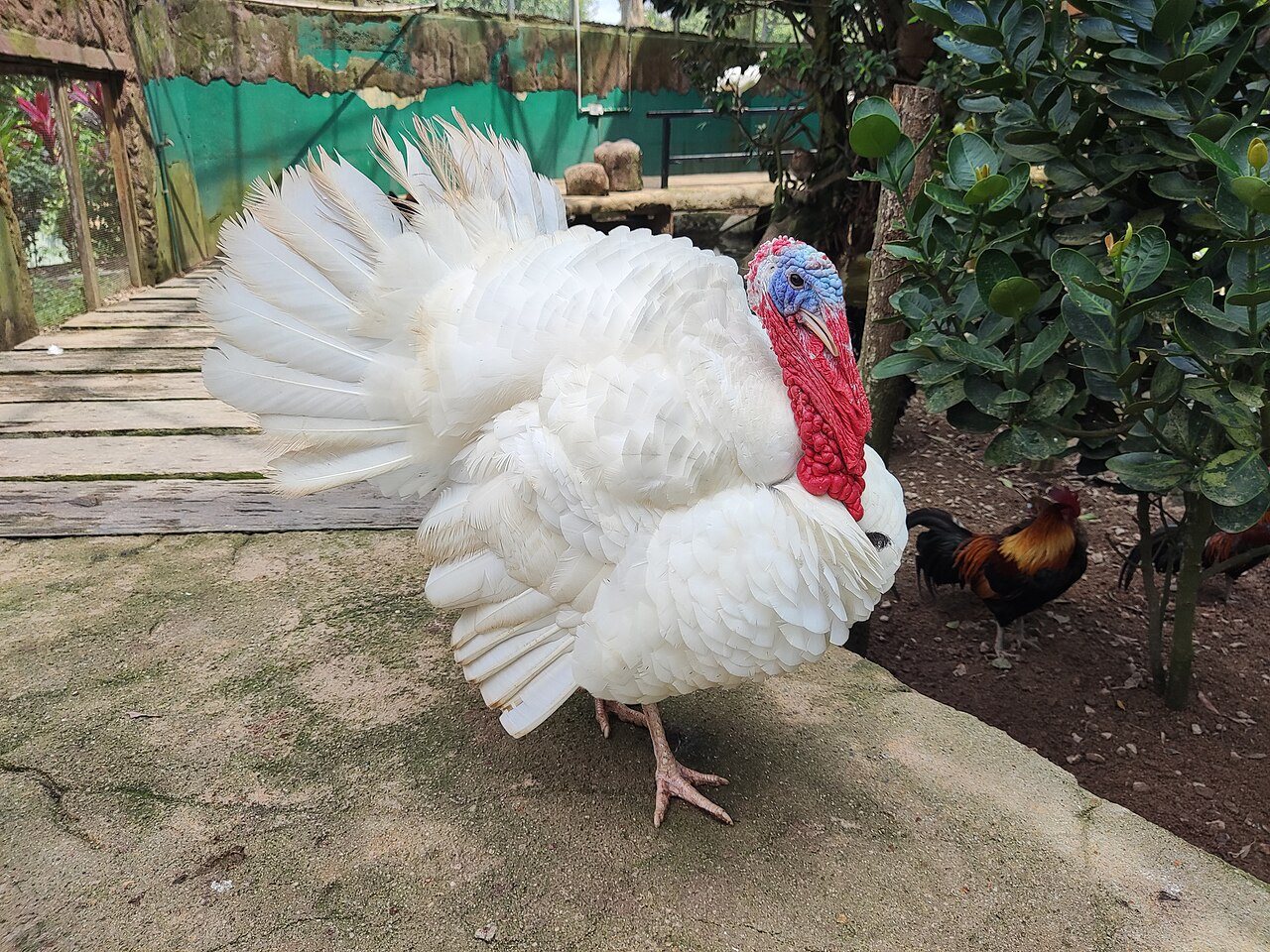
Sometime next week, a large white turkey will be carried out in front of the White House press corps, set on a table, and told by the President of the United States that it will not be eaten. Reporters will laugh at the puns. The turkey will look unimpressed. Then it will be driven off to a farm or a university campus to live out what remains of its life.
It is one of the strangest rituals in American public life, and I say that with real affection. What surprises most people is how recent the "pardon" part is. The birds have been showing up since the Truman years. The formal reprieve only arrived in 1989.
The turkey growers who started it
The tradition belongs to the National Turkey Federation, the industry group for American turkey farmers. In 1947 it began presenting a bird to the White House each holiday season, and it has done so every year since. It was, and still is, a very good piece of marketing: a photo of the president next to a turkey in late November does more for the product than any ad.
For decades, though, nobody was pardoning anything. The presented turkeys were generally expected to end up on a table. Harry Truman is often credited with the first pardon, but his presidential library has said it has found no evidence he spared one. The myth is persistent enough that it gets repeated almost every year anyway.
There is also an older story about Abraham Lincoln's son Tad begging his father to spare a turkey meant for a holiday dinner, and Lincoln agreeing. It comes from contemporary accounts and has charm, but it was a family moment, not the start of anything official.
Kennedy, Reagan and the jokes that came first
The first president widely reported as letting a gift turkey go was John F. Kennedy. On November 19, 1963, he looked at the bird he had been given and said, more or less, that they would just let this one grow. Newspapers described it as a pardon. Three days later he was killed in Dallas, which gives the story a weight it was never meant to carry.
Through the 1970s and 80s the presentation carried on as a photo op, with the occasional bird sent to a petting farm instead of the kitchen. Ronald Reagan used the word "pardon" in 1987, but as a joke, at a time when reporters kept asking him whether he would pardon figures from the Iran-Contra affair. Turning the question toward the turkey was a way to get a laugh and dodge the real one.
George H.W. Bush makes it official
In 1989, George H.W. Bush took the joke and made it policy. Standing with that year's bird, he announced that it had been granted a presidential pardon, effective immediately, and sent it off to a petting farm. Every president since has done the same, and the ceremony has grown into a full production with names, a hotel stay for the birds, and a carefully rehearsed set of dad jokes.
These days the federation usually sends two turkeys, one for the ceremony and a backup in case the first one misbehaves on camera (anyone who has spent time around turkeys will understand why). The public has sometimes been invited to vote on names, and both birds are spared.
What happens to the turkeys afterward
This is the part that tends to get left out of the cheerful coverage. Pardoned turkeys are almost always broad breasted whites, the standard commercial breed. They are raised to grow heavy fast, and that body weight is hard on their legs and hearts. Many of them live only a year or two after the ceremony, which is not long, even by turkey standards.
Where they go has changed over the years. Some were sent to Frying Pan Farm Park in Virginia, some to George Washington's estate at Mount Vernon, and for a few years in the 2000s they were flown to Disney parks to act as grand marshals in Thanksgiving parades. More recently, the birds have mostly gone to land grant universities with poultry science programs, where students and vets look after them and the public can visit.
I think that last arrangement is the most honest version of the tradition so far. The birds get proper care, and the schools get a reason to talk about where turkeys actually come from.
When to watch this year
Thanksgiving falls on Thursday, November 26, 2026, and the ceremony usually takes place a day or two before, typically on the Tuesday or Wednesday. It is broadcast live on the White House website and its social channels, and most news networks pick it up. Expect a name reveal, at least one pun about "fowl play," and a turkey that would clearly rather be somewhere else.
If you want to see a pardoned bird in person, keep an eye on the announcement of where this year's pair will retire. The host campuses often post visiting hours, and seeing a 40 pound celebrity turkey up close is a better way to spend a holiday weekend afternoon than it sounds.
Enjoyed this story?Get a new one every day on social.