Photo: Elliott Brown, CC BY-SA 2.0, via Wikimedia Commons
At 5:16 on the evening of Saturday, November 23, 1963, BBC Television showed the first episode of a new family serial. A policeman walks past a junkyard on a foggy London street. Inside the junkyard stands a police box that hums. Twenty-five minutes later two schoolteachers have been bundled into it by a bad-tempered old man, and the box has gone somewhere else entirely.
The episode was called "An Unearthly Child," and almost nobody was paying attention to it. President John F. Kennedy had been shot in Dallas the day before, and the news was still dominating everything. Parts of the country also had power cuts that evening. Doctor Who, a show that would go on to outlive nearly everything else on British television, started its life as a footnote.
I have always liked that. Big shows usually get a big launch. This one got a bad weekend and a second chance.
A teatime slot, a tiny budget and a police box
The show came out of the BBC drama department under Sydney Newman, a Canadian producer who wanted something for the early Saturday evening gap between the sports results and the pop music shows. It had to work for children and their parents, and it had to be cheap.
Newman gave it to Verity Lambert, who was still in her twenties and was the department's only woman producer at the time. The first episode was directed by Waris Hussein. William Hartnell, best known until then for playing sergeants and hard men in films, played the Doctor as prickly and a bit frightening, which is not how anyone would pitch a children's hero today.
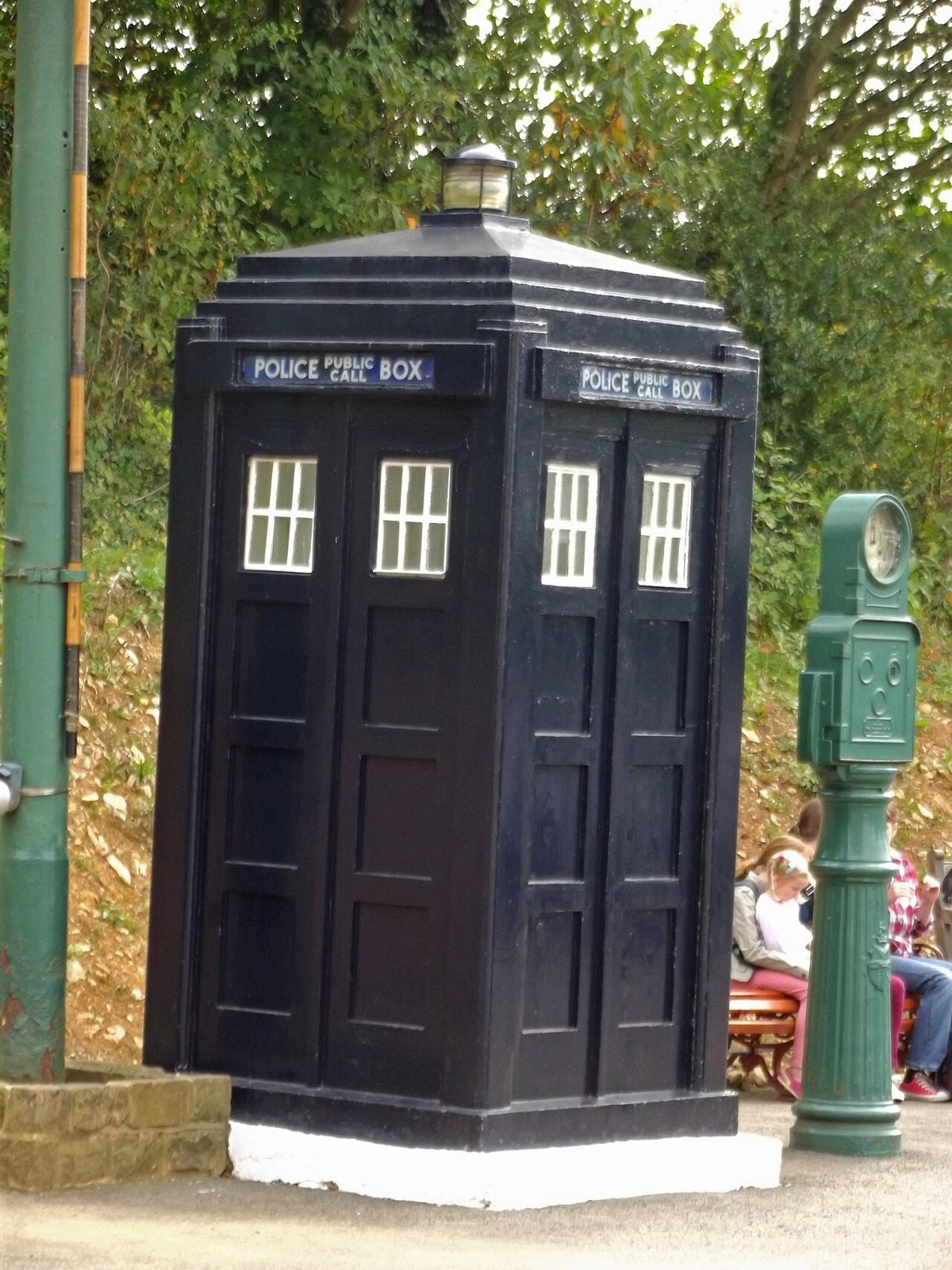
The police box was a practical decision. Blue police telephone boxes were ordinary street furniture in Britain in 1963, so the TARDIS could sit on a set or a real street without anyone building a spaceship. The in-story explanation, that its disguise had got stuck, came later. Real police boxes have mostly vanished since, which means a whole generation now knows the shape only from the show.
The BBC gave it a do-over
The people at the BBC knew the first episode had been buried. So on November 30 they did something unusual and showed "An Unearthly Child" again, right before episode two. It is hard to imagine a modern broadcaster reacting to a quiet premiere by simply airing it twice, but it worked well enough to keep the show going.
What really saved it, though, was the second story. In December 1963 the Doctor landed on a planet called Skaro and met the Daleks, written by Terry Nation and designed by Raymond Cusick. Audiences jumped. Within a year there were Dalek toys everywhere, and the press had a word for it: Dalekmania.
That theme tune
The theme was composed by Ron Grainer, but the sound you know was built by Delia Derbyshire at the BBC Radiophonic Workshop. There were no synthesizers to speak of. She made it from recorded tones and noise, cutting and splicing lengths of magnetic tape by hand and adjusting the speed until the notes were right.
The story goes that when Grainer heard the result he asked whether he had actually written it. Whether he said it in exactly those words or not, the point stands. Derbyshire did not get a screen credit for it at the time, and her reputation has grown a great deal since.
The trick that kept it alive
By 1966 Hartnell's health was making the work hard, and the producers needed a new lead. Instead of ending the show, they had the Doctor change into a different man, played by Patrick Troughton. It was called renewal at first. Later the show settled on the word regeneration.
It is probably the single best idea anyone has had in long-running television. A lead actor leaving stopped being a crisis and became an event. The show kept recasting the part for decades, through Jon Pertwee, Tom Baker and the rest, until the BBC stopped making it in 1989.
There was a one-off TV movie with Paul McGann in 1996, and then Russell T Davies brought the series back in 2005 with Christopher Eccleston. That revival is the reason most people under 40 know the show at all.
Lost episodes and an uncertain future
Plenty of the 1960s show no longer exists. The BBC routinely wiped or junked old tapes in that era, and 97 episodes are still missing from the archive. Copies turn up now and then, often from overseas broadcasters that bought prints decades ago, and each recovery gets the fans very excited (rightly, in my view).
The present is less settled than the past. Davies returned to run the show for its 60th anniversary in 2023, with a co-production deal involving Disney+ that has since ended. A Christmas special was announced for this year, but in June the BBC dropped it, and Davies said he had left. The BBC has said it wants Doctor Who to continue. As of today there is no new episode on the schedule, which is an odd way to spend an anniversary.
Where to start if you have never watched it
Start at the beginning. "An Unearthly Child" still works, and the first ten minutes or so, in the classroom and the junkyard, are some of the best-paced television of the decade. In the UK, the BBC has put a large part of the back catalogue on iPlayer; elsewhere, check which streaming service carries it in your country.
If black and white is a hard sell in your house, the 2005 revival is the easier way in, and "Blink" from 2007 is the episode fans usually hand to newcomers. Either way, it is nice to think that a show launched on the worst possible weekend is still being argued about 63 years later.
Enjoyed this story?Get a new one every day on social.